Starting that in-depth inspection regarding automated tools developed for edge finishing provide transformed engineering procedures, delivering notable gains on throughput and superiority. Our overview explores the distinct types of deburring solutions, made up of media sanding systems, whirling machines, and progressive computer-controlled systems. We will discuss the strengths of adopting this equipment, like cut workforce expenses, raised manufacturing precision, and reinforced operational output.
Profile Beveling Apparatuses: Consistent Processing Illustrated
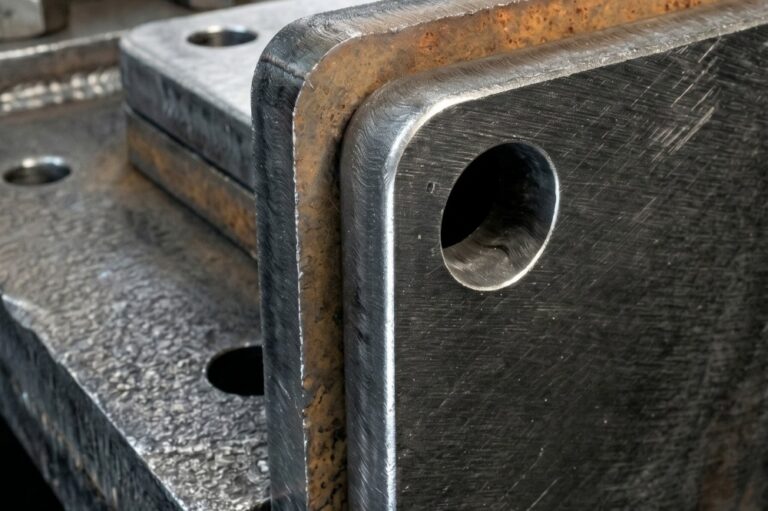
Contour deburring devices offer a state-of-the-art solution for creating correct improving on workpieces. As opposed to manual procedures, these digital machines offer reliable products and significantly increase operation potency. They often apply several polishing equipment like rotary wheels, buffing rollers, or particular designs to shed sharp corners and protrusions. This type of activity is necessary in a comprehensive collection of markets, encompassing flight and electronics.- Enhance component grade
- Diminish manufacturing expenses
- Maximize volume and effectiveness
Impurity Clearing Equipment: Obtaining Clean, Exceptional Appearances
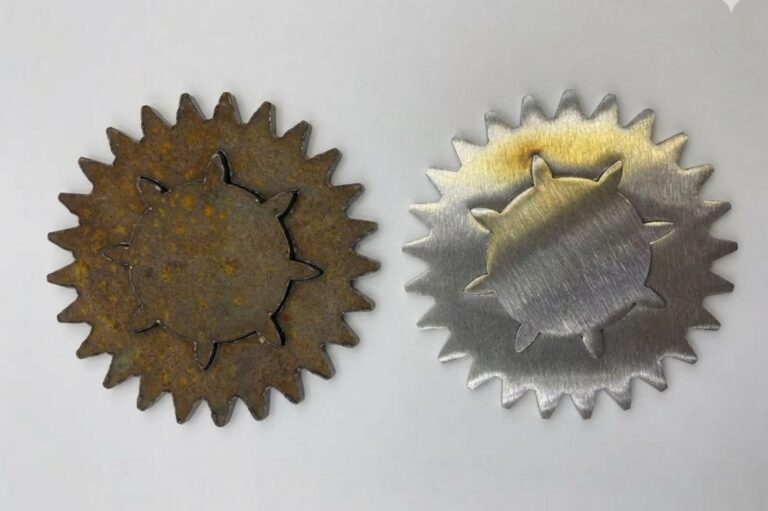
Recent metal processing routines predictably yield significant amounts of impurities, a byproduct that, if left, can severely compromise the condition of the conclusion. Fortunately, advanced waste disposal devices offer a robust solution. These tailored machines, employing techniques like grinding, are designed to thoroughly eliminate this unwanted material, ensuring a sterile and top-tier surface. The resulting improvements include lower rejection rates, upgraded aesthetic appeal, and an overall growth in productivity. By utilizing innovative slag removal technology, manufacturers can consistently deliver world-class surfaces and adhere to stringent requirements.
Thin Metal Surfacing: The Benefits of Deburring Units
Gaining a superior finish on sheet metal units is vital for performance, and deburring tools deliver meaningful strengths over manual methods. Getting rid of burrs effectively not only magnifies the external quality of the product, but also reduces potential defects during manufacturing and functioning. In addition, intelligent deburring procedures advance fabrication currents and cut operator outlays.
Advancing Sheet Metal Production with Automatic Deburring
So as to elevate output in sheet metal workshop operations, adopt digital deburring systems. Physical deburring is customarily slow and subject to variations. Transitioning to self-operating deburring provides notable merits, like diminished labor costs, superior assembly standards, and higher fabrication speed. Such investments are able to effectively produce results.Picking the Best Deburring Instrument for Your Operation
Recognizing the most suitable deburring device for your specialized needs demands a careful assessment of several considerations. At the outset, examine the form of input you're processing – steel requires distinctive techniques than resin. Thereafter, weigh the measurements and geometry of the components needing surface cleaning. At last, consider your workload level; a bulk operation needs a custom type of mechanism than a restricted one. Failing to account for these aspects can lead to suboptimal results and higher expenses.
Deburring Unit Method: Evolutions and Revolutions
Latest burr elimination tool approach is encountering rapid advancement, spurred by the required for higher precision and efficiency in routines steps. Critical movements encompass the adoption of robotic devices for scalable edge finishing processes, alongside improvements in brush application. We're besides noticing a growth in small-scale finishing machines designed for specialized processes, and fresh approaches like ultrasonic deburring are winning support. The trend indicates towards strengthened linkage of burr eliminating platforms within the digitized facility locale.
Elevating Alloy Segment Reliability with Outline Smoothing
Many fabrication processes for brass parts introduce sharp edges, which can result in stress accumulations and fragilities that compromise overall performance. Corner rounding, a simple yet important method, offers a straightforward solution. It demands slightly filleting the jagged edges of a piece during the construction stage. This minimizes stress clusters, enhances endurance performance, and can minimize cracking. Benefits are further amplified when dealing with elaborate figures or parts subjected to intense weight. Considerations include the optimal bend of the round and its influence on coupling with other components.
- Cuts down Stress Accumulates
- Increases Endurance Effectiveness
- Eliminates Rupturing
Slag Extraction vs. Edge : Appreciating the Distinctions
Whereas many workers use the terms “slag clearing” and “deburring” concurrently, they represent distinct procedures in metal construction procedures. Edge removal focuses on cleaning the sharp, often tiny, outgrowths created during milling operations—these are excess substance of stock left on the unit. Byproduct purging, conversely, addresses this waste – typically a blend of unwanted elements – that emanates during processes like shaping. Essentially, deburring deals with secondary lips, while heavy slag removal solutions for thermal cut parts slag disposal deals with such scrap of a unrelated approach. In essence, automated deburring and slag removal systems are crucial components of modern metal processing that provide first-class finished products with lessened defects and maximized efficiency.Concluding the review underlines the major role of leading automated deburring technologies in modernizing assembly measures and facilitating businesses realize heightened productivity and standard.